
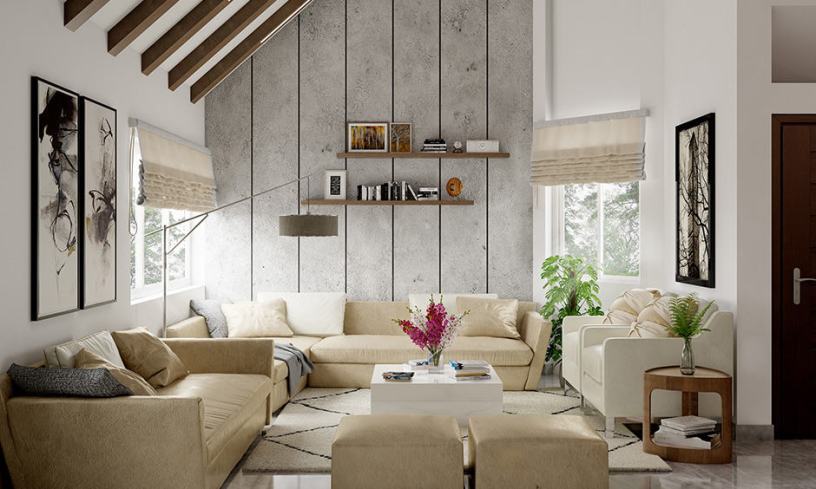
Decorating a home or apartment is more than just arranging furniture. It’s about shaping an environment that reflects personality, provides comfort, and enhances functionality. When done right, small details like lighting, textures, and color balance can make an ordinary room look extraordinary. If you’re looking for effective decor tips that work for every style and budget, this guide will help you elevate your living space.
Start with a Vision
Before shopping or rearranging, decide on a clear vision for your space. A cohesive design always begins with a purpose. Ask yourself:
- Do you want a cozy and warm vibe or a sleek and modern look?
- Will the room serve multiple functions, like a living area and home office?
- Are you more inspired by neutral tones or bold colors?
Creating a mood board with colors, fabrics, and reference images can guide your choices and prevent mismatched elements.
Choosing the Right Color Palette
Color plays a major role in how a room feels. Warm tones like terracotta, mustard, and deep brown create intimacy, while cool shades such as soft gray, sage, and navy bring calmness. For timeless appeal, consider:
- Neutral bases with pops of color in accessories
- Two-tone walls for depth and visual separation
- Accent colors that appear in at least three places (pillows, artwork, rugs)
Pro tip: Test paint samples on walls and observe how they change throughout the day under natural and artificial light.
Furniture Placement and Flow
Furniture arrangement should encourage natural movement and conversation. Instead of pushing everything against the walls, create balanced groupings.
- Place sofas and chairs in conversation circles
- Use area rugs to define zones
- Leave at least 3 feet of walking space around major pieces
If your room is small, opt for multipurpose furniture like storage ottomans or extendable dining tables.
Lighting as a Design Element
Lighting is one of the most underrated decor tips yet it dramatically changes the mood. A well-lit room should have three types of lighting:
- Ambient lighting: overhead fixtures or recessed lights
- Task lighting: desk lamps, reading lights, or under-cabinet fixtures
- Accent lighting: wall sconces, LED strips, or spotlights for art
Layering these creates warmth, highlights focal points, and avoids harsh shadows.
Textures and Materials
Mixing textures keeps a space visually interesting. Too much of the same fabric or finish can make a room feel flat. Combine:
- Smooth leather with soft cotton throws
- Natural wood with glossy metal finishes
- Velvet cushions with woven jute rugs
Texture not only adds depth but also appeals to touch, making a room more inviting.
Incorporating Art and Wall Decor
Bare walls make a home feel incomplete. Wall art doesn’t always have to be expensive paintings. Options include:
- Framed photographs
- DIY canvas art
- Floating shelves with decorative objects
- Mirrors to reflect light and make rooms appear larger
When hanging artwork, keep the center at eye level (around 57 inches from the floor).
Plants for Freshness
Indoor plants instantly boost air quality and bring life to interiors. Even if you’re not a plant expert, low-maintenance options like snake plants, pothos, or succulents thrive with minimal care. Place them near windows, in hanging baskets, or on shelves for variety.
Storage with Style
Clutter ruins even the best decor. Invest in stylish storage solutions like:
- Baskets that double as accent pieces
- Floating cabinets to save floor space
- Beds with under-frame drawers
- Decorative trunks that serve as coffee tables
Organized spaces look bigger, calmer, and more polished.
Adding Personal Touches
A space should tell your story. Instead of relying only on store-bought decor, add personal elements:
- Travel souvenirs
- Handmade crafts
- Family heirlooms
- Photo galleries
These items add authenticity and ensure your home feels uniquely yours.
Seasonal Updates
Refreshing your space doesn’t always require a full makeover. Small seasonal changes can keep it exciting:
- Light linens in summer and heavier knits in winter
- Bright florals in spring and warm candles in fall
- Swapping cushion covers and table runners for quick transformations
This keeps your space dynamic without major spending.
Common Decor Mistakes to Avoid
- Overcrowding a room with too much furniture
- Ignoring scale (tiny art on huge walls or oversized sofas in small rooms)
- Poor lighting that leaves corners dark and unwelcoming
- Forgetting balance between function and aesthetics
Correcting these ensures your space remains stylish yet practical.
FAQs on Home Decor Tips
How do I make a small room look bigger?
Use light colors, mirrors, and multi-functional furniture. Keeping clutter minimal also creates an illusion of space.
What’s the best way to choose a rug size?
The rug should anchor the furniture. Ideally, front legs of sofas and chairs should rest on the rug for a cohesive look.
How many colors should a room have?
Stick to the 60-30-10 rule: 60% dominant color, 30% secondary, and 10% accent color for balance.
Is it okay to mix different wood finishes?
Yes, but aim for contrast. For example, pair a dark walnut table with lighter oak chairs, then tie them together with a common accent color.
What’s the easiest way to refresh decor without spending much?
Change cushion covers, rearrange furniture, or add new wall art. Even small updates can make a noticeable difference.
How can lighting change the feel of a bedroom?
Warm, dimmable lights create relaxation, while layered lamps add coziness. Avoid harsh overhead lighting for a restful atmosphere.

