
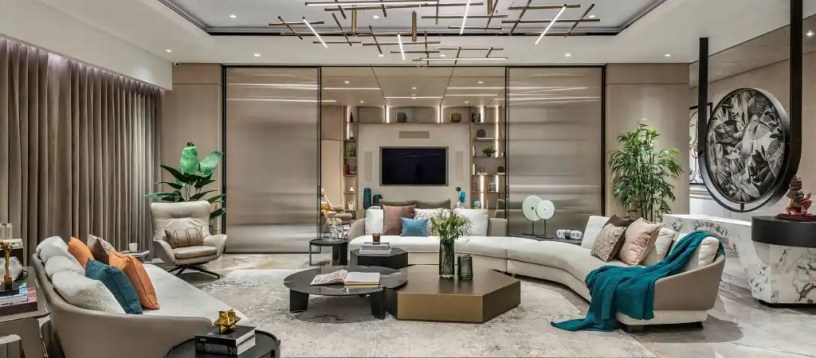
Interior design is more than just arranging furniture or choosing a paint color. It’s the art and science of creating functional, comfortable, and aesthetically pleasing environments. When done thoughtfully, it elevates the quality of life, reflects personal style, and enhances the way people experience their homes or workspaces. In today’s fast-changing world, interior design is a crucial element for those seeking balance, comfort, and beauty in their daily lives. Whether you’re renovating, decorating a new home, or refreshing a single room, understanding the principles of design is essential. Interior design offers the freedom to transform a blank canvas into a personal sanctuary or a statement of bold creativity.
The Role of Interior Design in Daily Life
Interior design affects mood, productivity, and even health. The colors we choose, the textures we feel, and the layouts we create all influence how we interact with our surroundings. A well-designed living room can encourage relaxation, while a thoughtfully planned home office can improve focus and efficiency. For many people, investing in interior design is not just about luxury but about functionality, comfort, and creating a positive atmosphere.
Key Principles of Interior Design
To succeed in interior design, certain fundamental principles guide the process. These include:
- Balance: Achieving equilibrium through symmetrical, asymmetrical, or radial arrangements.
- Proportion and Scale: Ensuring furniture and décor items complement the room’s dimensions.
- Harmony and Unity: Creating flow by using consistent themes, colors, or patterns.
- Contrast: Incorporating variety through color, shape, or texture for visual interest.
- Rhythm: Using repetition of patterns, lines, or colors to establish continuity.
Understanding these principles is the foundation of any successful project.
Choosing the Right Color Palette
Colors have psychological effects that can transform the feel of a space. For example:
- Warm colors like red, orange, and yellow stimulate energy and conversation.
- Cool colors such as blue, green, and lavender promote calmness and relaxation.
- Neutral tones create timeless elegance and pair well with both modern and traditional aesthetics.
Layering tones by combining dominant, secondary, and accent shades helps add depth and dimension to a room.
Furniture Selection and Placement
Furniture is central to interior design. Beyond style, functionality must be prioritized. Key considerations include:
- Size: Oversized furniture can overwhelm small rooms, while tiny pieces look lost in large spaces.
- Comfort: Ergonomic designs ensure long-term usability.
- Placement: Strategic layouts maximize space, improve movement flow, and highlight focal points.
Arranging furniture around natural light sources or central elements like a fireplace helps create welcoming and balanced rooms.
Lighting as a Design Element
Lighting influences mood and defines space. Designers often combine three layers:
- Ambient lighting for overall illumination.
- Task lighting for focused activities like reading or cooking.
- Accent lighting to highlight artwork, architectural details, or textures.
Dimmer switches and smart lighting systems allow customization to suit different times of the day or moods.
Textures and Materials
Texture adds richness and personality. From smooth glass to rough brick, mixing materials elevates spaces:
- Soft textures like velvet, linen, or wool bring comfort.
- Hard textures such as stone, wood, or metal add structure.
- Layered textures create a sense of depth and sophistication.
Pairing unexpected materials, such as wood with metal, often produces striking results.
Maximizing Small Spaces
Small apartments and compact rooms can still feel luxurious with clever design choices:
- Use multifunctional furniture like sofa beds or expandable tables.
- Employ mirrors to reflect light and make rooms appear larger.
- Stick to lighter color palettes to enhance openness.
- Vertical storage solutions free up valuable floor space.
A smart approach ensures even limited square footage feels spacious and inviting.
Incorporating Personal Style
Interior design should always reflect individuality. While trends may inspire, personal touches make spaces unique:
- Display meaningful artwork or family heirlooms.
- Integrate favorite colors into accent pieces.
- Mix modern elements with vintage finds for character.
Personalization ensures that design feels authentic rather than staged.
Sustainable and Eco-Friendly Interior Design
Sustainability is becoming a core aspect of interior design. Eco-conscious choices reduce environmental impact while offering healthier living conditions:
- Choose reclaimed wood, recycled materials, or bamboo for furniture.
- Use low-VOC paints to improve indoor air quality.
- Maximize natural light to reduce energy consumption.
- Incorporate indoor plants to purify the air and add natural beauty.
Eco-friendly design balances style with responsibility.
The Importance of Interior Design Trends
While timeless design never goes out of style, trends provide inspiration. Current directions include:
- Minimalism: Clean lines, uncluttered spaces, and neutral palettes.
- Maximalism: Bold colors, layered textures, and curated collections.
- Biophilic design: Incorporating natural elements indoors.
- Smart homes: Technology integrated into lighting, climate, and entertainment systems.
Trends act as starting points, but adaptability ensures designs stay relevant.
Interior Design for Different Spaces
Every space has unique needs:
Living Room
The heart of the home, requiring balance between comfort and style. Large seating arrangements, area rugs, and accent walls define the space.
Bedroom
A personal retreat, best designed with soft colors, layered bedding, and ambient lighting for relaxation.
Kitchen
Functional yet stylish, with emphasis on durable countertops, efficient storage, and well-placed task lighting.
Bathroom
A spa-like escape with luxurious finishes, statement tiles, and thoughtful accessories.
Home Office
A productivity hub requiring ergonomic furniture, good lighting, and inspiring décor.
Each space demands functionality tailored to its purpose.
Interior Design in Commercial Spaces
Interior design also transforms businesses. From retail stores to restaurants, design impacts customer behavior:
- In retail, layouts influence flow and encourage purchases.
- In offices, ergonomic furniture and calming color palettes improve employee well-being.
- In hospitality, thoughtful design creates memorable guest experiences.
Commercial spaces succeed when design aligns with brand identity and function.
Technology in Interior Design
Technology is reshaping interior design:
- 3D visualization tools help clients preview designs.
- Smart devices integrate convenience into everyday living.
- Virtual reality allows immersive design walkthroughs.
- AI-driven design tools assist in space planning and décor selection.
Tech-driven solutions make design more efficient and accessible.
Common Mistakes to Avoid
- Ignoring proportion and scale when choosing furniture.
- Overcrowding spaces with too many elements.
- Relying only on artificial lighting without maximizing natural light.
- Following trends blindly instead of embracing personal style.
- Neglecting functionality for the sake of aesthetics.
Avoiding these mistakes ensures designs are timeless and livable.
FAQs About Interior Design
What is the first step in starting an interior design project?
Begin with a clear vision. Identify your goals, budget, and desired style before making purchases or hiring professionals.
How can I make a small room feel larger?
Light colors, mirrors, vertical storage, and minimal clutter create the illusion of space.
Is hiring an interior designer worth it?
Yes, professionals save time, prevent costly mistakes, and bring creative solutions tailored to your lifestyle.
What role do colors play in interior design?
Colors impact mood and perception. Warm tones energize, while cool tones relax. Neutral palettes provide balance and versatility.
How do I balance aesthetics and functionality?
Prioritize your needs first. Ensure furniture and layouts support daily activities while maintaining visual harmony.
What is biophilic design, and why is it popular?
Biophilic design connects indoor spaces with nature by incorporating natural light, greenery, and organic textures. It promotes well-being and reduces stress.

